(202) 844-9087 info@dmvdatacentercleaning.com Northern Virginia · Washington, DC · Maryland
Client login

Measured, not guessed

Particle Testing & Site Assessment

Most hardware makers ask for a data hall at ISO 14644-1 Class 8 or cleaner. A particle count tells you where your room stands before cleaning, and proves the result afterwards.

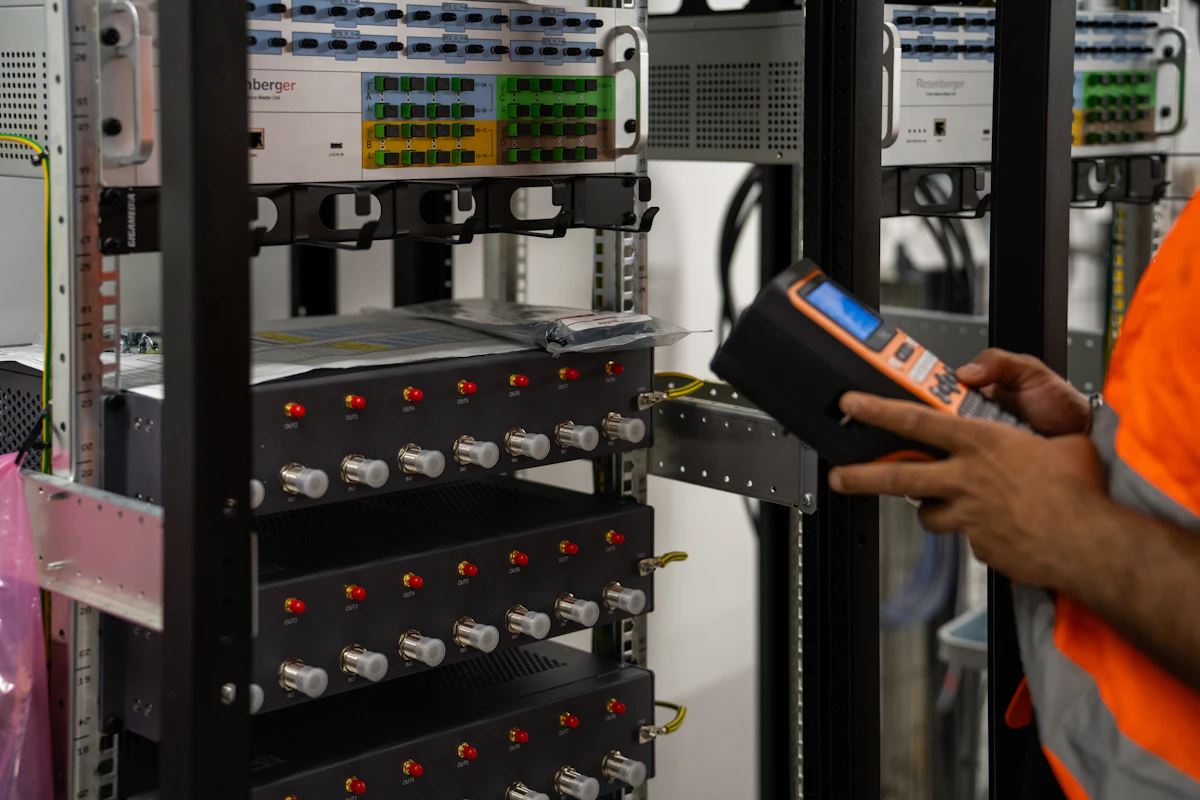
Airborne particle counts with a laser particle counter, reported against ISO 14644-1 cleanliness classes, plus a walk-through of surfaces, subfloor and overhead areas.

Airborne particle counts

Measured with a laser particle counter at defined sample points across the room.

  • Counts in size channels from 0.3 µm to 5.0 µm (0.3, 0.5, 1.0 and 5.0 µm)
  • Sample locations set out per ISO 14644-1 for the room’s floor area
  • Results reported as an ISO 14644-1 class, with Class 8 as the usual data-center target
  • Counts repeated after cleaning so the improvement is on paper
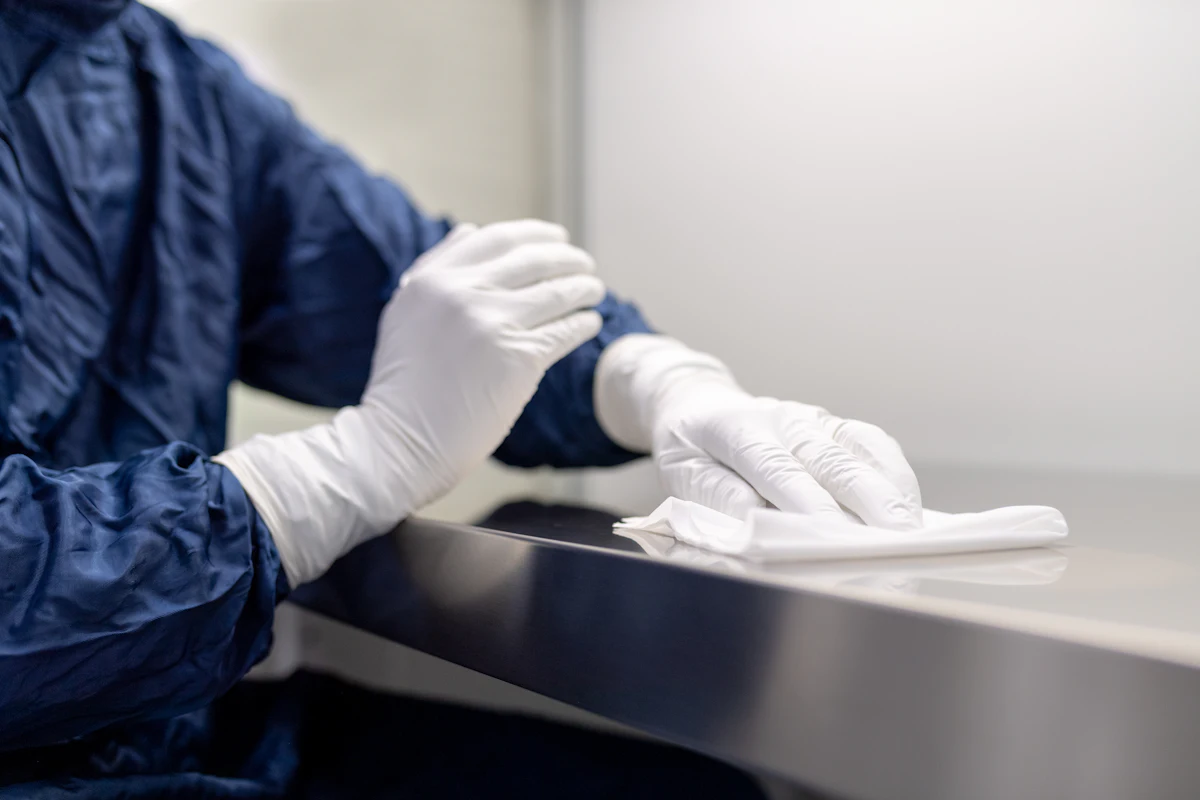
Site assessment

A look at where contamination comes from, not just how much there is.

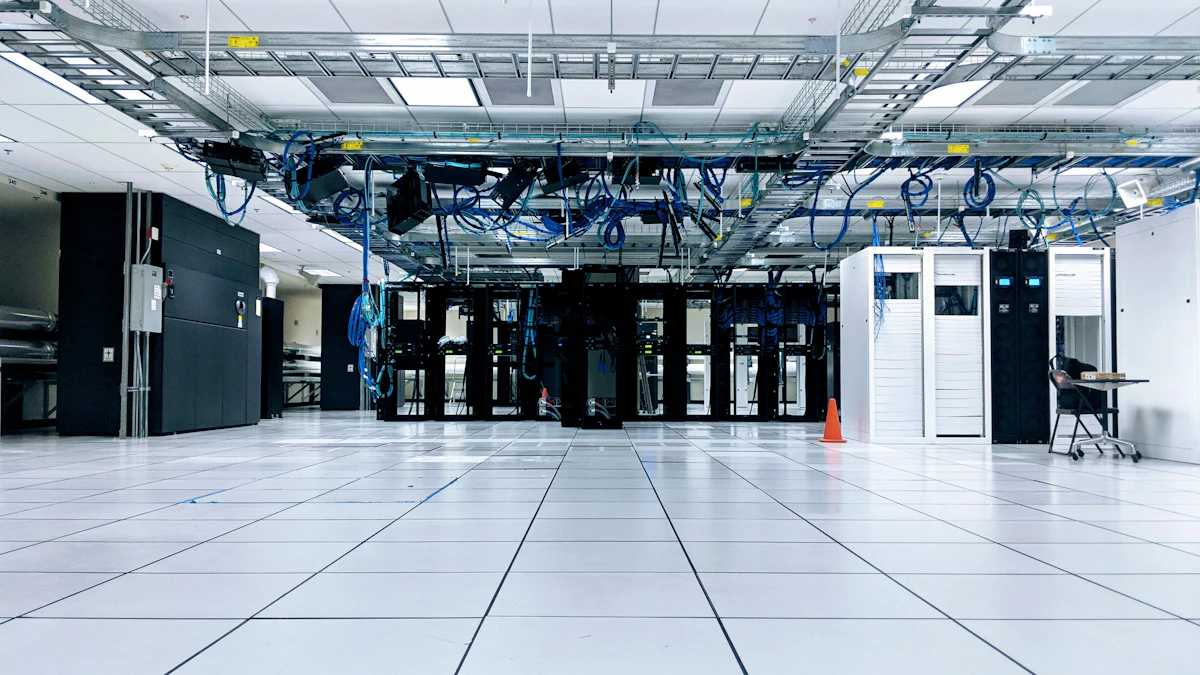
  • Visual inspection of equipment, floors, overhead surfaces and the subfloor
  • Notes on filtration, door seals, tacky mats and other entry points for dust
  • Zinc whisker check on pedestals and tile undersides where accessible
  • A written report with findings, photos where allowed, and a recommended cleaning plan

How big is a micron?

One micron (µm) is a thousandth of a millimetre. The particles that damage equipment are far below what the eye can see — which is why we measure them.

Typical sizes; size and scale are approximate. Logarithmic scale — each step is ten times larger.

The exact scope is agreed with your facility team before work starts. Anything outside it — or anything your site does not approve — is left alone. How we work around live equipment.

Discuss your facility’s requirements

Tell us about the space, the scope you have in mind and your access windows. We will come back with questions, a walkthrough date or a proposal.